PEKA Build Materials
1 / 5
New Type Chemical Material Solid Industrial Hgs Hollow Microglass Spherical Glass Microspheres for Thermal Insulation Paints
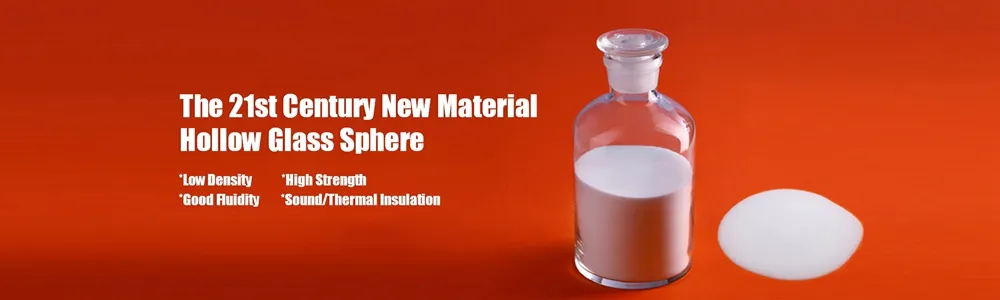
What is Hollow Glass Sphere?
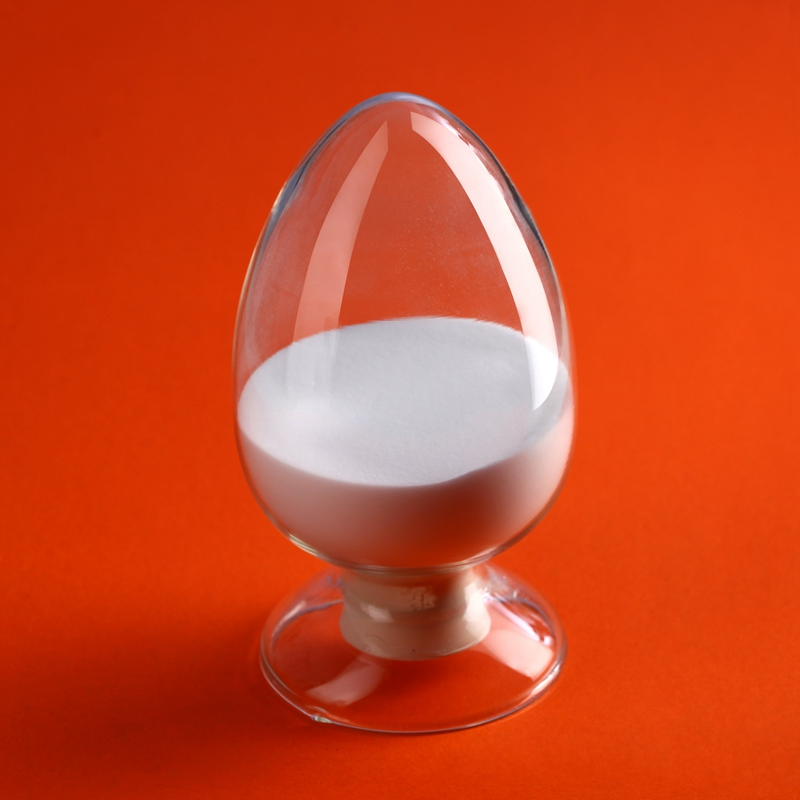
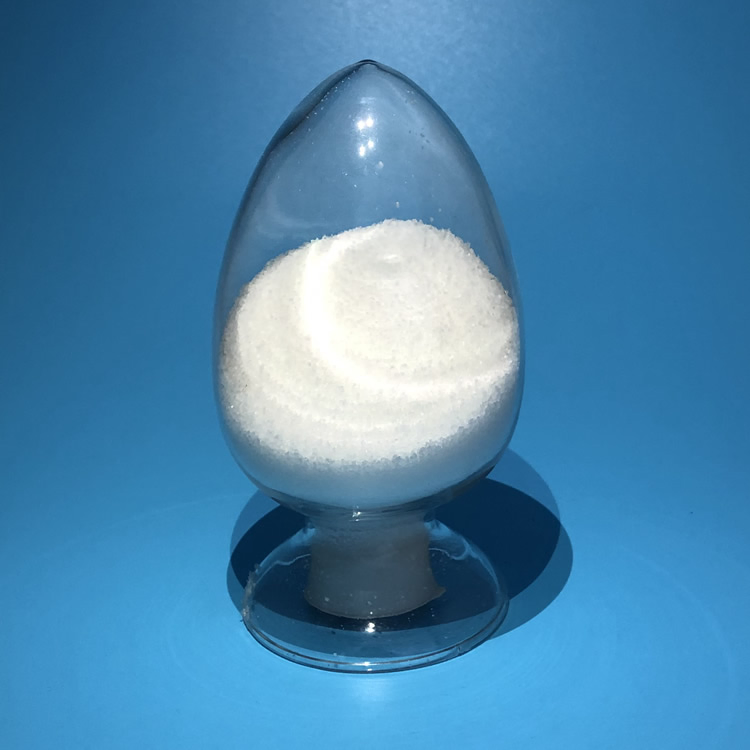
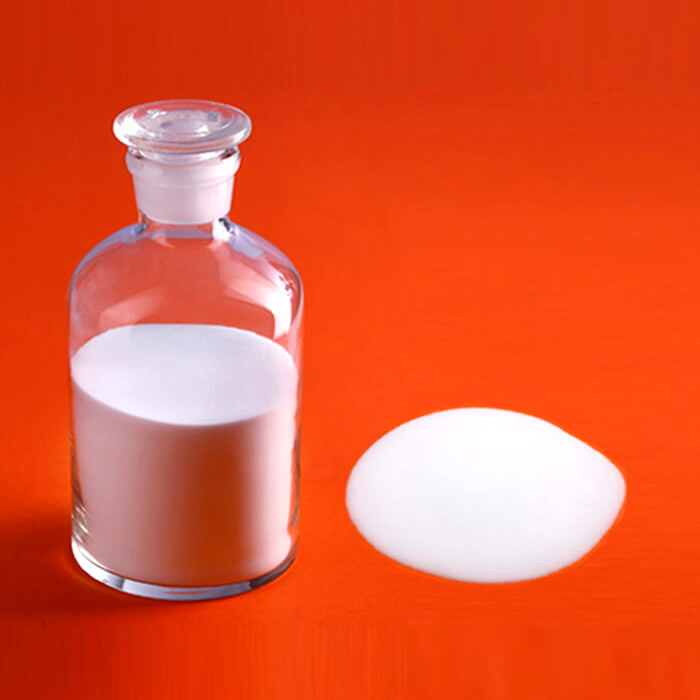
Hollow Glass Microsphere is a kind of hollow spherical powdery ultra-light inorganic non-metallic material. Its true density is 0.15-0.65g/cm³, particle size is 2-120μm, wall thickness is 1-2μm, and its compressive strength is between 3-125MPa. It features light weight, large volume, low thermal conductivity, high compressive strength, and good fluidity. It acts as a filler and lightening agent in paint coatings, rubber, modified plastics, artificial stone, and oil and gas field mining industries.
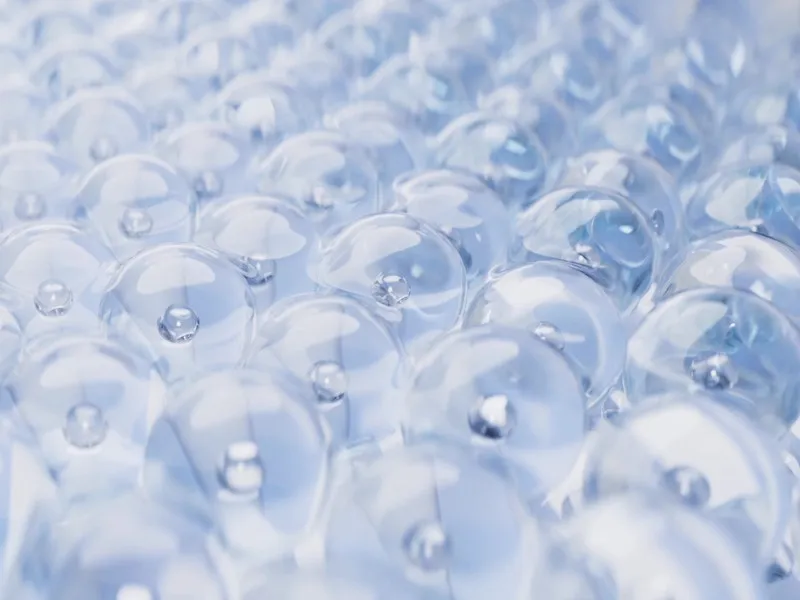
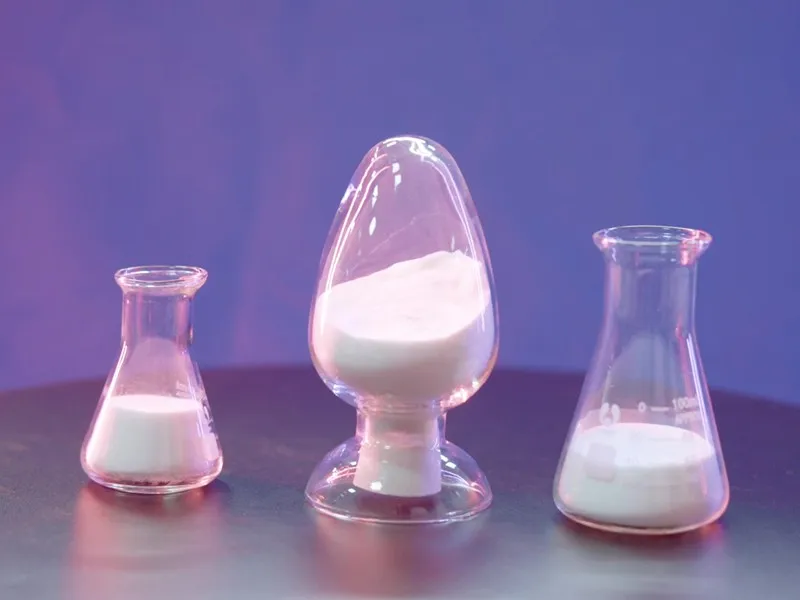
Ideal for products requiring high standards for appearance and color consistency.
Significantly reduces the weight of final products and replaces more expensive resins.
Tiny spheres offer excellent fluidity in liquid resins and ensure dimensional stability without warping.
Low thermal conductivity and sound insulation properties make it excellent for preservation products.
Minimal specific surface area allows for high addition amounts without excessive viscosity increases.
Corrosion resistant, fire resistant, and non-conducting for diverse industrial applications.
| Type | True Density (g/cm³) | Bulk Density (g/cm³) | Crush Strength (MPa/Psi) | Particle Size (μm) | Typical Applications | |
|---|---|---|---|---|---|---|
| D50 | D90 | |||||
| HL20 | 0.20-0.22 | 0.10-0.12 | 4/500 | 65 | 100 | Tooling Board, Explosives, Putty, Paints |
| HL28 | 0.27-0.30 | 0.14-0.17 | 10/1500 | 55 | 85 | Drilling Fluids and Cementing Slurry |
| HL32 | 0.31-0.33 | 0.17-0.19 | 14/2000 | 45 | 80 | Paints, Sealants, SMC/BMC |
| HL42 | 0.41-0.44 | 0.21-0.24 | 55/8000 | 40 | 60 | Drilling Fluids, Cementing Slurry |
| HL60S | 0.58-0.63 | 0.30-0.34 | 125/18000 | 35 | 55 | Modified Plastics for Automotive |
| HS46 | 0.44-0.48 | 0.22-0.25 | 110/16000 | 20 | 30 | 5G Plastics, CCL Circuit Board |
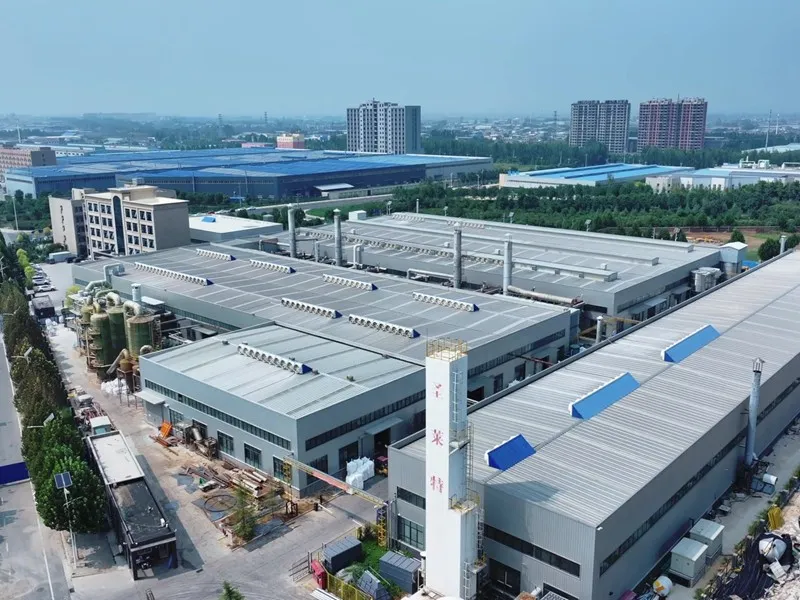
We are a high-tech enterprise utilizing advanced world production technology for Hollow Glass Spheres. Dedicated to research, development, and technical service, we have obtained numerous patents for invention and quality management system certifications including ISO9001: 2015.
Our product series includes Hollow Glass sphere, Cenosphere, and Microsphere with over 100 specifications. These are widely used in aerospace, buoyancy materials, building materials, and 5G composites.
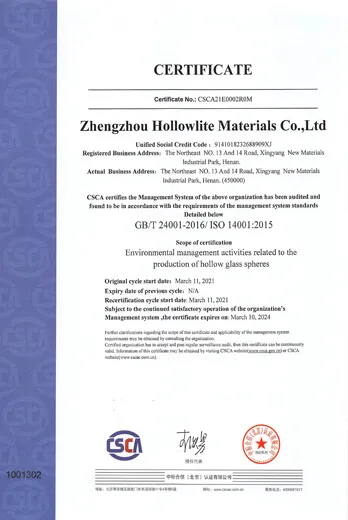
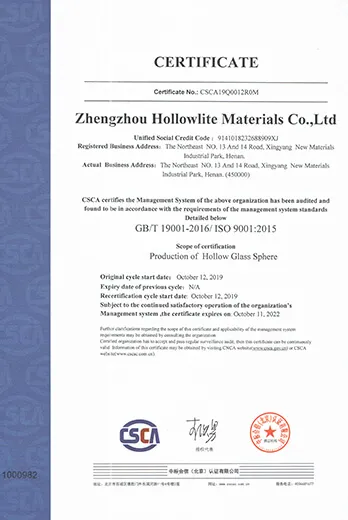
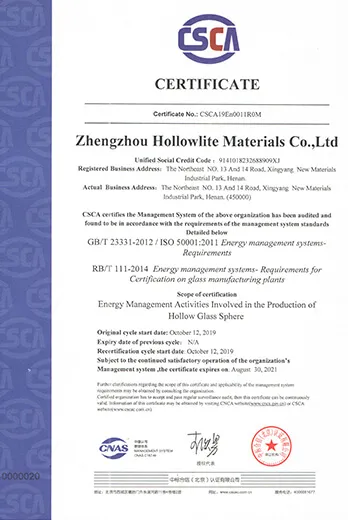
Our facilities have passed multiple management system certifications: GB/T19001, GB/T45001, GB/T23331, and GB/T24001, covering quality, environment, and energy management.


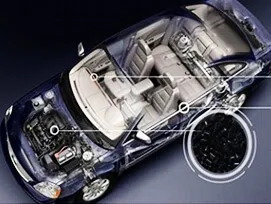
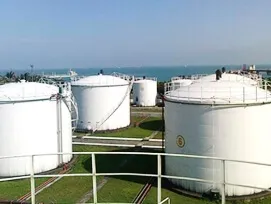
Applications include thermal insulation coating, putty, plastic casting polyester, FRP, SMC/BMC, radomes, synthetic foam, adhesives, printed circuit board substrates, bowling balls, fan blades, emulsion explosives, sealants, and deep-sea buoy materials.

Flow: Remains free flowing for at least half a year if stored properly.
Storage: Store in a dry, well-ventilated area away from direct sunlight, fire, and heat. Keep apart from acids.
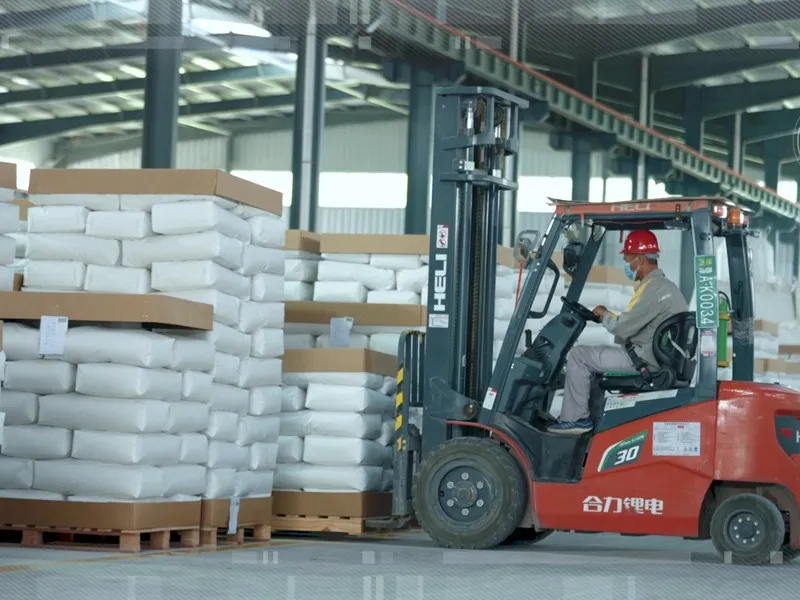
Handling: Operators should wear dust masks, safety glasses, and protective gloves. Avoid producing dust and handle with care to avoid package breakage.

They provide significant weight reduction, improve insulation, enhance fluidity in resins, and reduce production costs by replacing more expensive resin materials.
Yes, depending on the model, they can withstand crush strengths ranging from 3 MPa up to 125 MPa (approx. 18,000 Psi), making them suitable for deep-sea and high-pressure drilling applications.
The hollow interior contains a thin gas that significantly reduces thermal conductivity, making them an excellent filler for heat-reflective and preservation coatings.
Yes, they are isotropic and highly compatible with epoxy, polyester, PVC, and other modified plastic systems without causing inconsistent shrinkage.
They should be stored in a dry, well-ventilated space away from direct sunlight, acids, and heat sources to maintain their free-flowing properties.
Due to their hollow structure and gas-filled centers, they act as effective sound insulators, commonly used in automotive sealants and building materials.