Advanced cementitious processing equipment and localized structural barrier coatings engineered for Portugal's high-humidity coastline.
Lisbon, a historical capital located along the Tagus River estuary and facing the Atlantic Ocean, experiences a complex microclimate that demands specialized civil engineering materials. The combination of maritime winds carrying corrosive chlorides, seasonal high-humidity cycles, and moderate-to-high seismic vulnerability (due to its position near the Azores-Gibraltar plate boundary) creates a rigorous testing environment for local concrete structures.
Current construction mandates in Portugal emphasize both structural longevity and carbon reduction (under national decarbonization pathways aligning with the EU Green Deal). Traditional concrete formulations are shifting toward high-performance composites to prevent early reinforcement degradation, reduce maintenance overhead, and enhance dynamic seismic damping.
Our solutions for the Lisbon market focus on structural longevity, providing specialized waterproof admixtures, ductile cementitious overlays, and seismic diagnostic devices. From historical renovations in Alfama to modern commercial hubs in Parque das Nações, we ensure compliance with Eurocode 2 (Concrete Structures) and Eurocode 8 (Seismic Design) standards.
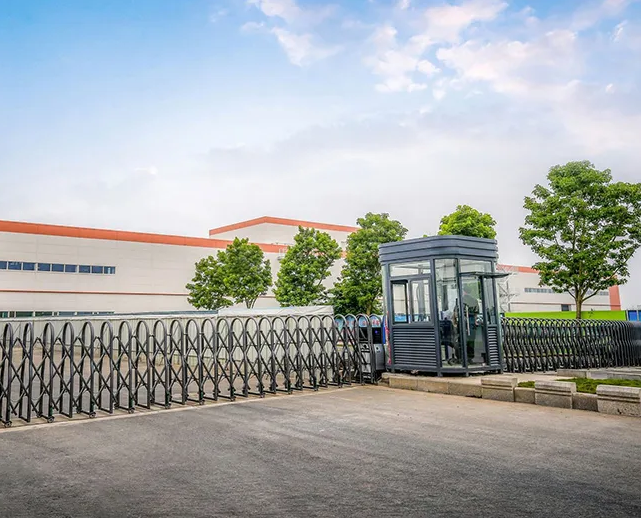
Explore our structural diagnostic and ductile stabilization materials engineered to mitigate geological movements and water intrusion.
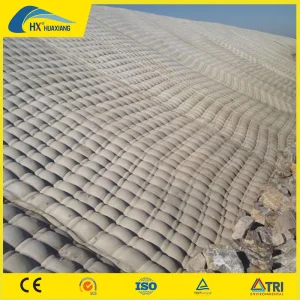
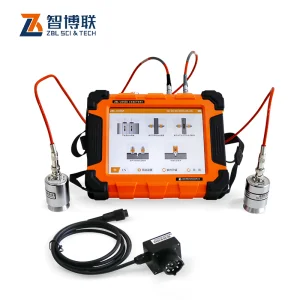
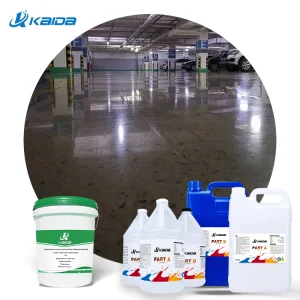
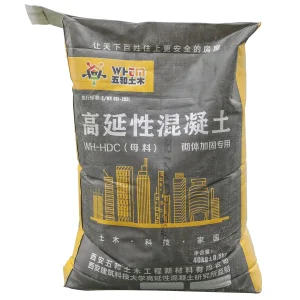
Integrating macromolecular synthesis and advanced material science to optimize hydration cycles, water-cement ratios, and structural integrity globally.
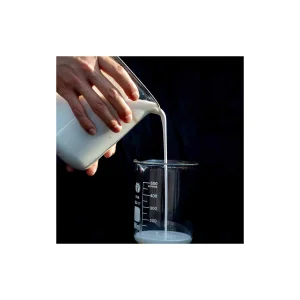
Polycarboxylate ether (PCE) superplasticizers represent a paradigm shift in creating high-strength, low-water concrete. By introducing steric hindrance rather than just electrostatic repulsion, our PCE admixtures achieve water reduction rates exceeding 35%, ensuring high slump retention and durability under the hot, dry summer conditions characteristic of Portugal.
The penetration of seawater and dissolved oxygen is a primary driver of steel reinforcement corrosion in marine concrete structures. Our crystalline chemical mix reacts with unhydrated cement particles to grow millions of needle-like micro-crystals within capillaries and micro-fractures, sealing them against water ingress and pressure cycles.
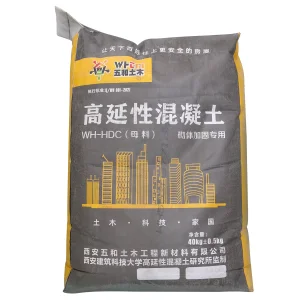
Engineered Cementitious Composites (ECC) utilize micro-silica sand, specialized polymers, and synthetic fibers to achieve tensile strain capacities up to several hundred times greater than standard concrete. This "bendable concrete" mitigates seismic risks, providing structural resilience without adding bulk to historic Lisbon facades.
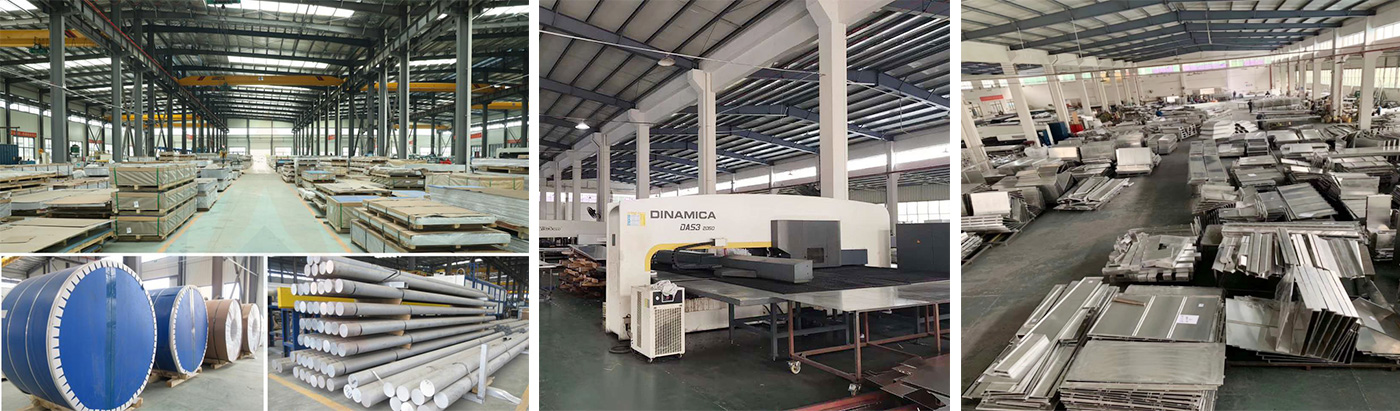
Originally established in Hebei, China, as a metal fabrication and architectural materials manufacturer (production facilities covering 10,000 square meters, including an 8,000-square-meter modern factory floor), PEKA has evolved its operational reach. Our expertise in complex building skins, aluminum curtain walls, and industrial finishes has cross-pollinated into the chemical admixture and smart concrete tooling sectors.
We leverage international supply chains, incorporating premium raw materials like Aksu powder, Atotech German anodized chemistry, and PPG polyester polymer components. This background in surface-protection chemistry allows us to offer dual-layer solutions: advanced high-durability internal concrete admixtures coupled with robust external cladding systems, securing structural durability and architectural elegance in a single procurement channel.
Developing concrete formulations requires a localized approach to geology, humidity, and history. We align our structural and chemical offerings with Lisbon's primary construction sectors:
Applying SBR polymer-modified waterproof mortars and fabric-formed concrete along the Tagus estuary to combat tidal erosion, salt spray, and marine bio-fouling.
Reinforcing fragile historical brick and timber-framed structures using ductile, bendable concrete overlays that flex during seismic loads, preventing catastrophic shear failure.
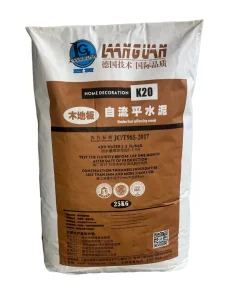
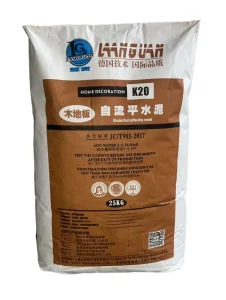
Implementing fast-curing self-leveling compounds to facilitate modern interior fitouts in Lisbon's business districts, reducing installation time and post-cure shrinkage cracks.
How Hebei PEKA is aligning with the global transition toward smart, low-carbon infrastructure.
Integrating calcined clays and industrial byproducts into our cementitious lines to lower embodied carbon, meeting EU ETS parameters for construction materials imported to Lisbon ports.
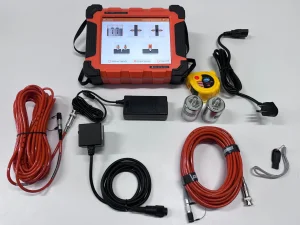
Embedding remote temperature and ultrasonic monitoring systems directly inside fresh concrete placements to map structural curing profiles in real time, assuring high structural validation.
Upgrading concrete batching controls with machine-learning algorithms that adjust admixture dosages in real-time based on local moisture fluctuations and ambient Iberian heat indexes.
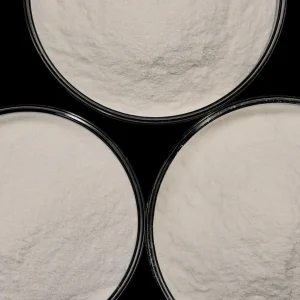
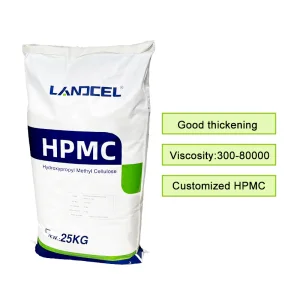
Maintaining material consistency across long-distance transit from China to Europe requires strict verification protocols. Every batch of our water reducers, cellulose ethers, and polymers undergoes standardized laboratory validation matching European Norms (EN).
Our raw material feedstock incorporates components from recognized chemical suppliers, ensuring stability during maritime transit. We operate internal quality gates utilizing non-destructive testing (NDT) instruments to examine structural integrity, physical density, and waterproofing capacity before shipping to Port of Lisbon (Porto de Lisboa) or Port of Leixões.
Whether you require standard bulk chemical admixtures or specialized structural reinforcement compounds, Hebei PEKA maintains traceability records for every batch exported, ensuring seamless compliance checks for Portuguese regulatory bodies.
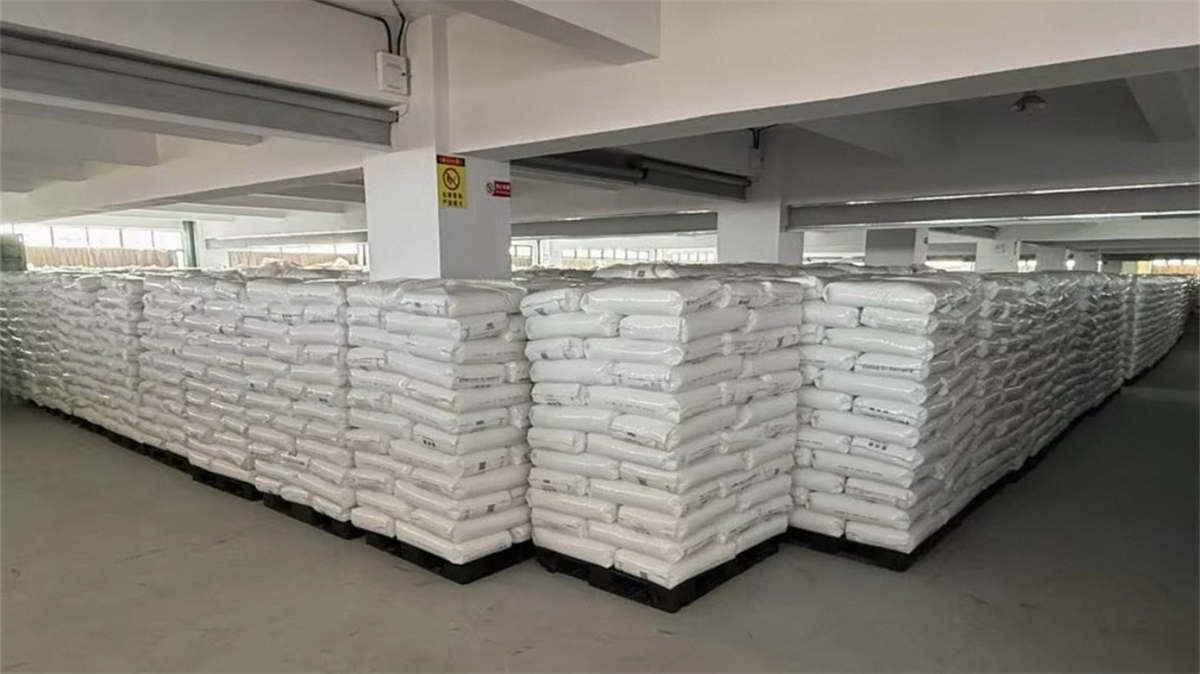
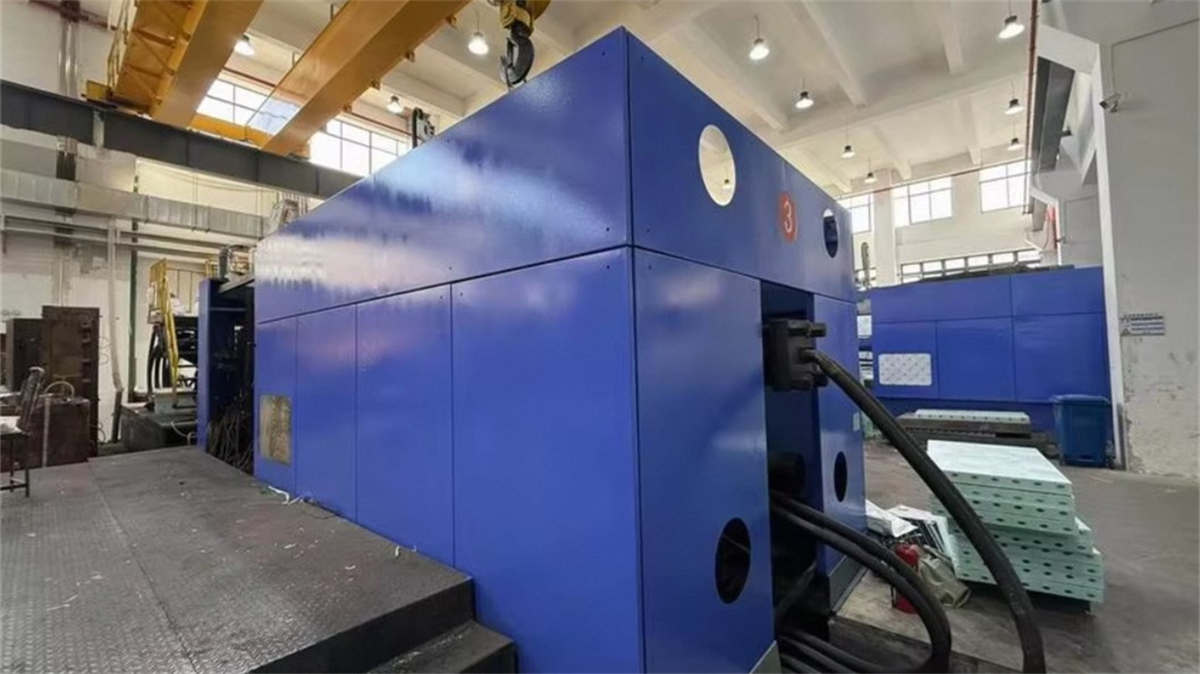
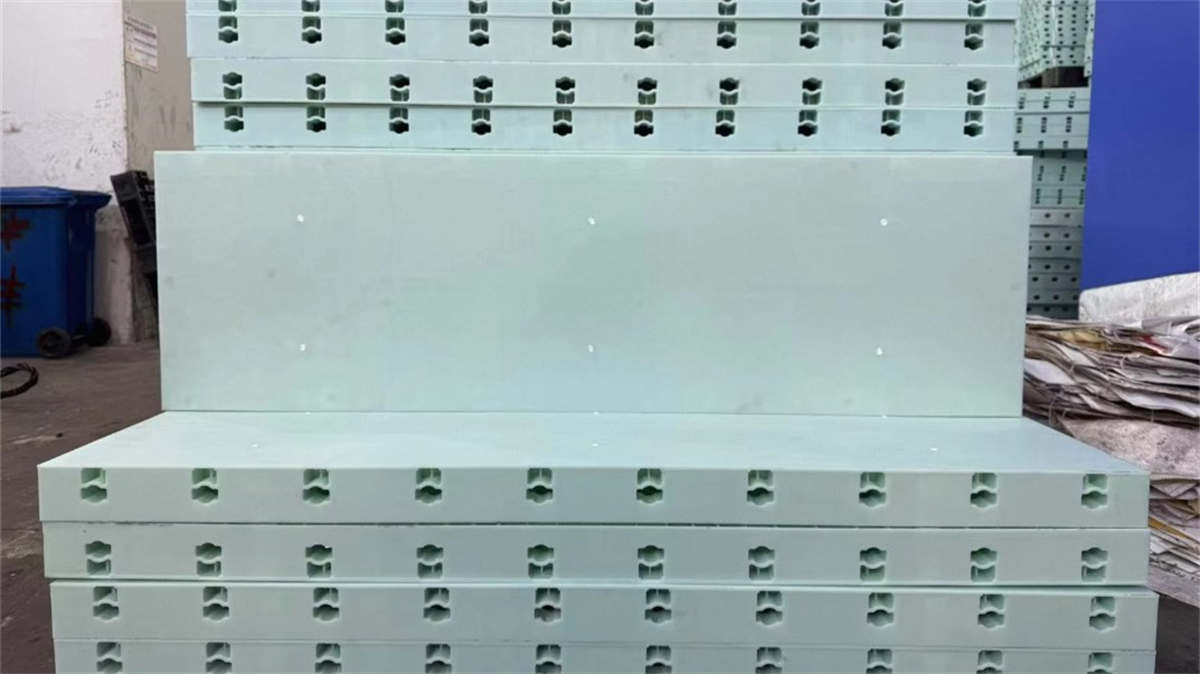
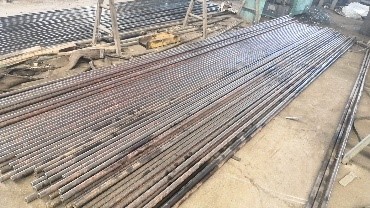
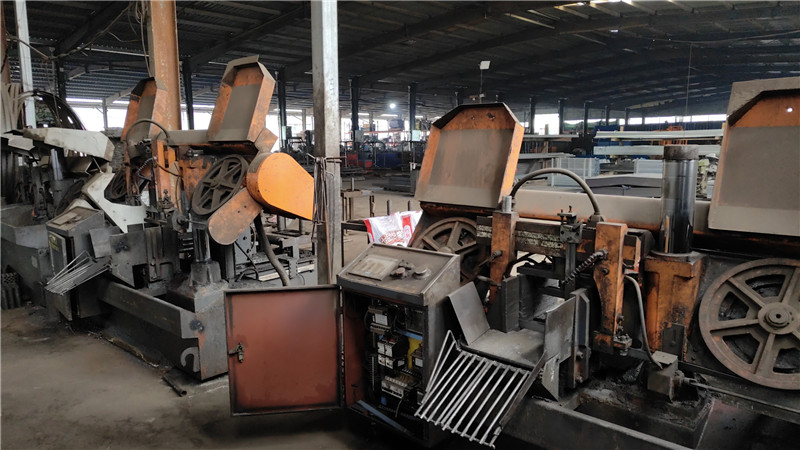
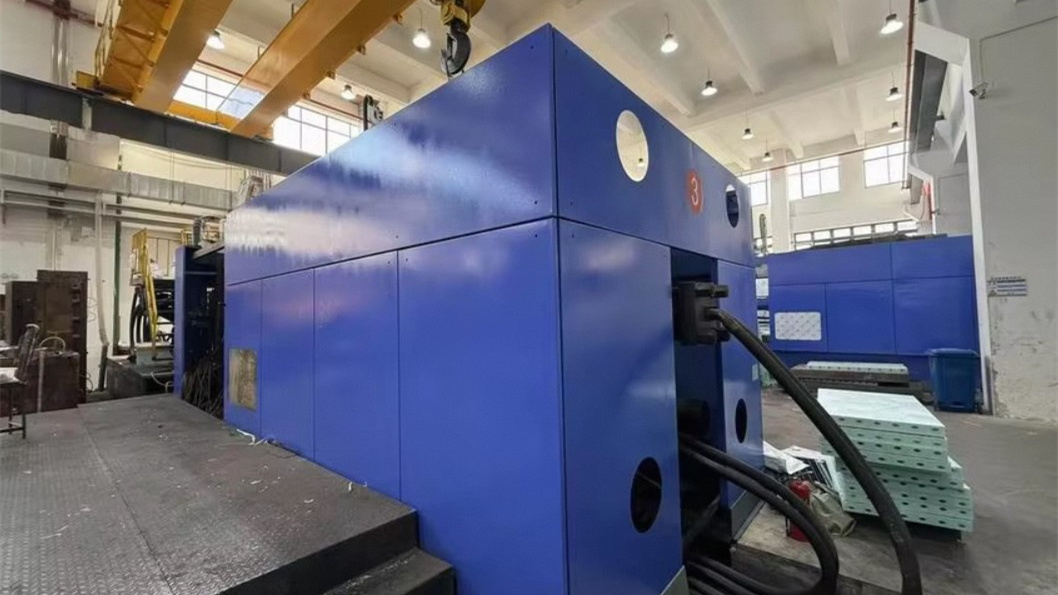
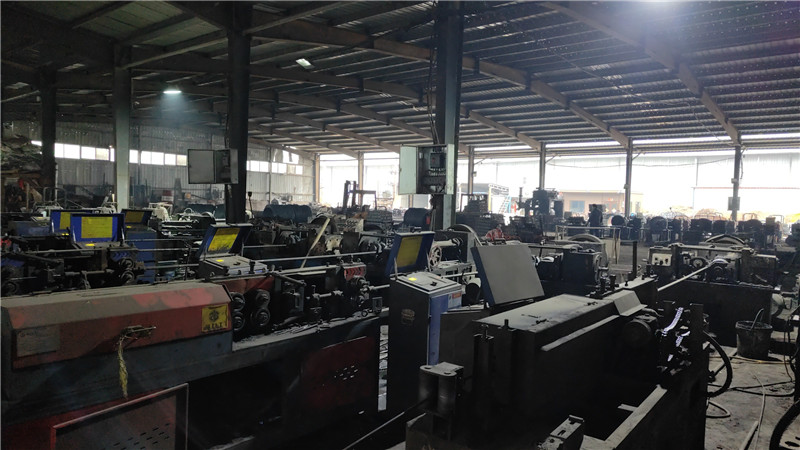
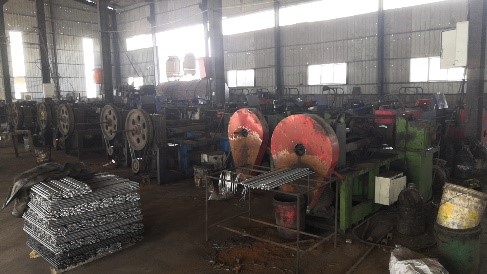
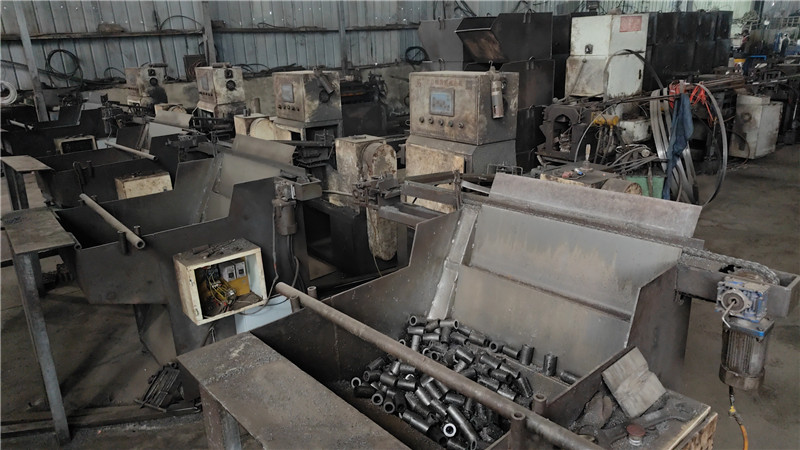
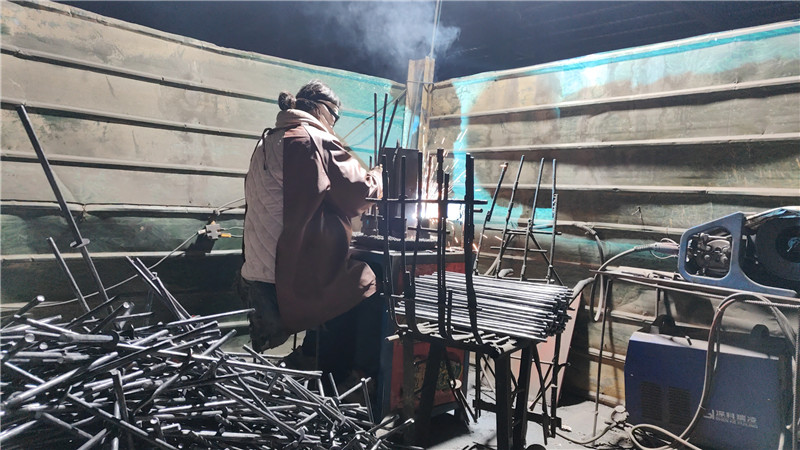
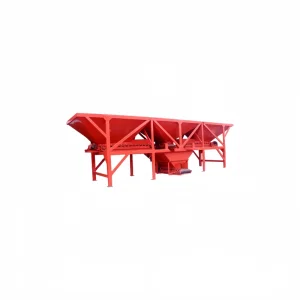
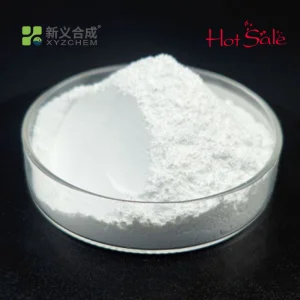
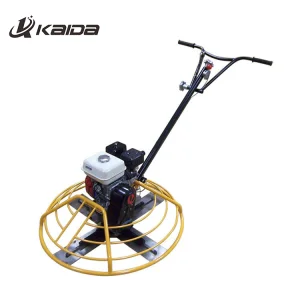
Industrial-grade leveling compounds, processing chemical agents, and high-precision machinery designed to optimize structural concrete properties.
Get in touch with Hebei PEKA’s engineering export desk today. We offer customized packaging, volume discounts, and full logistics management direct to your worksite.
Send Inquiry Now PEKA Build Materials