Top 10 Best Materials for Sustainable Construction Options?

Time:2026-04-13 Author:Ethan
0%

In today's rapidly evolving world, the importance of sustainable construction cannot be overstated. The demand for environmentally friendly building materials is surging. Selecting the best materials for sustainable construction is now essential for builders and architects alike. These choices impact not only a project's carbon footprint but also its overall longevity and efficiency.

Innovative materials such as bamboo, recycled steel, and rammed earth are gaining recognition. Each offers unique benefits while promoting eco-friendliness. It's crucial to understand their properties for optimal use. However, many still overlook the long-term advantages of investing in sustainability. Some early adopters have experienced challenges when transitioning to new materials.

Exploring the best materials for sustainable construction requires expertise and foresight. Building practices must adapt to meet modern environmental challenges. The materials we choose influence our planet's health for generations. Reflecting on these choices leads to more informed decisions in construction.
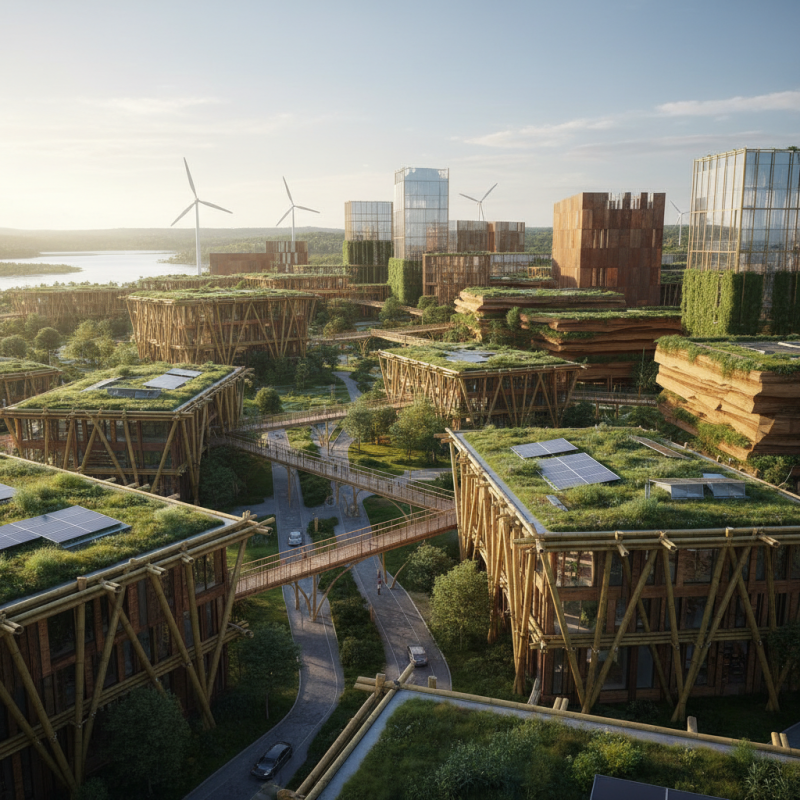
Top 10 Best Materials for Sustainable Construction Options?

Definition and Importance of Sustainable Construction Materials

Sustainable construction materials play a critical role in today's eco-conscious building practices. These materials significantly reduce the environmental impact of construction. They often come from renewable sources or are recycled, which minimizes waste. For instance, bamboo is a fast-growing material that can replace traditional wood. Choosing bamboo reduces deforestation pressures.

The importance of sustainable materials extends beyond environmental benefits. They can enhance energy efficiency in buildings. For example, insulated concrete forms can improve thermal performance. Better insulation reduces energy costs and carbon emissions. However, the choice of materials often involves trade-offs. Cost, availability, and long-term durability should be considered. A more expensive material may offer energy savings over time, yet the upfront cost can deter builders.

Education and awareness about these options are essential for better decision-making. Building professionals must prioritize sustainable practices. However, reliance on traditional methods is still prevalent. This indicates the need for ongoing training and community engagement. Emphasizing the benefits of sustainable materials can inspire change in construction norms.

Top 10 Best Materials for Sustainable Construction Options

Material Sustainability Benefits Common Uses Recyclability
Bamboo Fast growth, low carbon footprint Flooring, frames, furniture High
Recycled Steel Energy efficient to produce Structural frameworks High
Cork Renewable, biodegradable Flooring, insulation Moderate
Rammed Earth Natural, abundant materials Walls, foundations Low
Straw Bales Renewable, excellent insulation Wall insulation, eco-housing Low
Recycled Plastic Reduces waste, versatile Decking, furniture High
Hempcrete Carbon-negative, good insulation Walls, insulation Low
Adobe Local materials, low energy Walls, structures Low
Green Insulation (e.g., Wool) Natural, non-toxic Insulation Moderate

Overview of Criteria for Evaluating Sustainable Materials

When evaluating sustainable materials for construction, several key criteria must be considered. The impact on the environment is paramount. Materials should have low carbon footprints and minimal ecological disruption. Reports from the World Green Building Council indicate that using sustainable materials can reduce greenhouse gas emissions by up to 40%.

Durability is also crucial. Materials should withstand wear and tear, reducing the need for frequent replacements. This can significantly lower long-term costs. Additionally, consider the origin of materials. Locally sourced options often minimize transportation emissions and boost local economies. The embodied energy of a material is another important factor. For example, recycled steel requires 75% less energy to produce than new steel.

Tip: Always prioritize materials that are renewable or recyclable. Regularly collaborate with suppliers who practice sustainable extraction and manufacturing processes.

Another aspect is materials' health impacts. Non-toxic options ensure safety for both builders and occupants. According to the Green Building Initiative, buildings constructed with sustainable materials improve indoor air quality, promoting better health. Engaging local communities also helps in adapting sustainable practices that reflect cultural values.

Tip: Partner with organizations advocating for sustainable practices to gain insights and resources. Explore innovative solutions and technologies to further enhance sustainability in construction.

Top 10 Sustainable Materials: Properties and Benefits

Sustainable construction is vital in today's world. There are numerous materials that can be considered eco-friendly. Many architects prefer using bamboo for its rapid growth and strength. It thrives without the need for pesticides or fertilizers. This makes it a smart choice for green buildings.

Recycled steel is another excellent option. It reduces energy consumption during production. Plus, it can be reused multiple times without losing its properties. This material contributes to lower greenhouse gas emissions. Another noteworthy choice is reclaimed wood. It adds character to a space while promoting waste reduction. However, sourcing high-quality reclaimed wood can be challenging and time-consuming.

Hempcrete is gaining attention for its insulating properties. It is lighter than concrete and provides effective thermal performance. But using hemp requires careful planning and regulation. Alternatives like rammed earth and straw bales are also effective, though they have limitations. Not all regions can source these materials easily. Each option comes with its benefits and challenges, making the choice process crucial.

Top 10 Best Materials for Sustainable Construction

Case Studies: Successful Applications of Sustainable Construction Materials

The rise of sustainable construction materials has transformed building practices. One compelling case study is a community center built with rammed earth walls. The natural thermal mass of rammed earth helps regulate indoor temperatures, reducing energy consumption. By using this material, the project not only minimized carbon footprint but also created a stunning visual appeal.

Another example involves reclaimed wood in residential homes. Homeowners opted for beams salvaged from old factories. This wood not only tells a story but also takes away the need for new timber harvesting. Even though working with reclaimed materials can pose challenges in terms of quality and sourcing, the overall environmental benefits are clear. Communities are prioritizing these materials, reflecting a broader shift towards eco-conscious choices.

Concrete alternatives, such as hempcrete, are gaining attention too. This plant-based material offers insulation properties and is lightweight. Challenges include a lack of widespread knowledge and varying building codes. Yet, the potential to reduce greenhouse emissions is worth exploring further. The ongoing experimentation in sustainable materials suggests a promising future for eco-friendly construction.

Future Trends in Sustainable Construction Materials and Practices

The future of sustainable construction materials is promising yet complex. As the construction industry grapples with climate change, innovators explore alternatives that balance performance and environmental impact. Recycled materials are gaining traction. They reduce waste and lower carbon footprints, but sourcing quality recyclables remains challenging.

Biodegradable materials are another trend. These offer a way to diminish pollution, but their longevity raises questions. Can they withstand the test of time? In regions prone to extreme weather, durability is vital. Additionally, innovations in composites and bio-based materials show great potential. They can perform comparably to traditional materials, yet their production processes often need refinement.

Emerging technologies, such as 3D printing, also reshape the landscape. This technique allows for resource-efficient building practices. However, it doesn’t eliminate the need for conventional materials entirely. Understanding the life cycle of every option is crucial. Each choice carries implications for sustainability, from sourcing to disposal. The journey towards truly sustainable construction is ongoing, filled with both advancements and essential reflections.

FAQS

: What is the significance of sustainable construction?

: Sustainable construction helps protect the environment and reduces carbon footprints. It’s essential for combating climate change.

Why is bamboo considered a sustainable material?

Bamboo grows quickly and doesn't need pesticides. Its strength makes it ideal for eco-friendly building projects.

What are the benefits of using recycled steel in construction?

Recycled steel saves energy during production. It can be reused multiple times, reducing greenhouse gas emissions.

How does reclaimed wood benefit sustainable construction?

Reclaimed wood adds character to buildings. It promotes waste reduction but can be hard to find in high quality.

What is hempcrete, and why is it gaining popularity?

Hempcrete is lighter than concrete and offers great insulation. However, its use requires careful planning and regulations.

What challenges exist with incorporating biodegradable materials?

Biodegradable materials can reduce pollution, but their durability over time, especially in harsh conditions, is uncertain.

How do composites and bio-based materials impact sustainability?

These materials perform well but often need improvement in production methods to be genuinely sustainable.

How is 3D printing influencing construction practices?

3D printing allows for efficient resource use in construction. But, it doesn’t fully replace traditional materials.

What should be considered when choosing sustainable materials?

It's essential to understand each material's life cycle and sourcing challenges. Not every option is easily available.

Why is the journey toward sustainable construction complex?

The path includes many advancements but requires reflection on material choice and environmental impact.

Conclusion

Sustainable construction materials play a crucial role in reducing environmental impact while enhancing building efficiency. The article discusses the definition and importance of these materials, emphasizing how they contribute to responsible architecture and construction practices. It highlights the criteria for evaluating sustainable materials, such as lifecycle assessment, renewability, and energy efficiency.

The piece lists the top 10 best materials for sustainable construction, detailing their properties and benefits, followed by illustrative case studies showcasing their successful application in real-world projects. Additionally, the article examines future trends in sustainable construction materials and practices, indicating a growing shift towards greener solutions in the building industry. Overall, the importance of selecting the best materials for sustainable construction is clear, as they not only mitigate environmental harm but also promote economic and social benefits.

Ethan

Ethan

Ethan is a seasoned marketing professional with a deep expertise in our company's innovative product line. With a passion for sharing knowledge and insights, he takes the lead in regularly updating our corporate blog, where he explores industry trends, product features, and effective marketing......