The construction industry is undergoing a seismic shift towards sustainability. Material Innovation in Green Buildings is at the forefront of this change. In 2026, the demand for eco-friendly materials is projected to increase significantly. According to a report by the Global Alliance for Green Buildings, 70% of new constructions will prioritize sustainable materials.
This shift is driven by rising awareness of climate change. Architects and builders are exploring innovative materials that reduce carbon footprints. For example, bioplastics and recycled metals are gaining traction. Yet, supply chains for these materials often face challenges. The need for reliable sourcing and quality control remains a concern for many builders.
Moreover, while innovation is key, not all materials are universally suitable. Local climates, building types, and cultural contexts play crucial roles in determining effectiveness. Future research must address these gaps. The path to sustainable construction is complex, requiring adaptation and critical analysis of new materials. Therefore, ongoing discussions about material innovation in green buildings are essential for informed decisions.
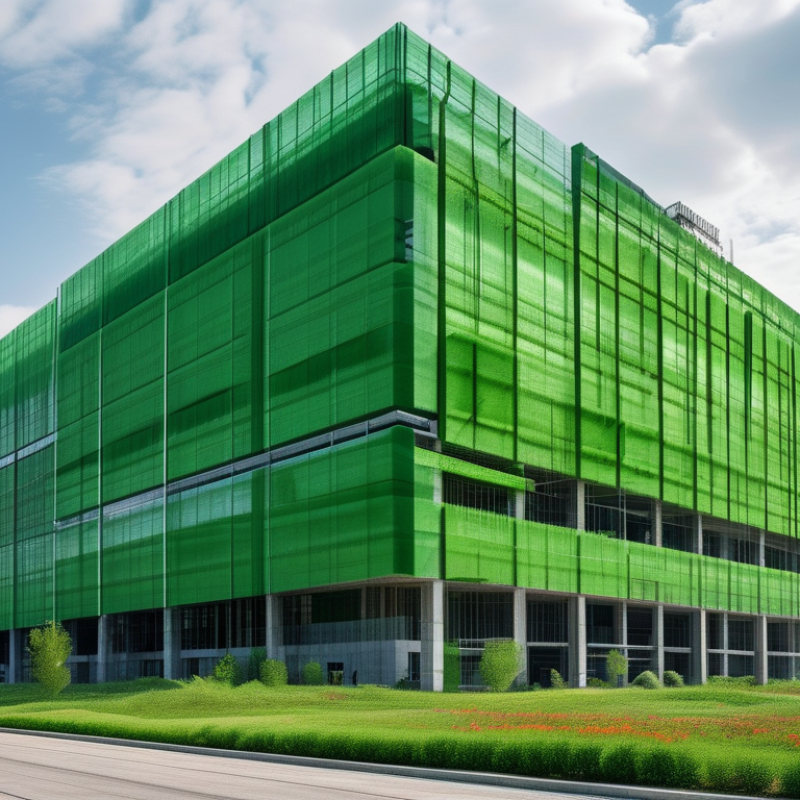
Emerging Sustainable Materials for Green Construction in 2026
The construction industry is rapidly evolving, particularly in response to environmental concerns. By 2026, several emerging sustainable materials are set to transform green building practices. Research from the Global Sustainability Institute indicates that the use of bio-based materials can reduce carbon footprints by up to 50%. Such materials not only include bamboo and hemp but also mycelium, a mushroom-based option that serves as an excellent insulation material.
Recycled materials are taking center stage as well. According to the International Energy Agency, buildings account for nearly 36% of global energy use. Using recycled steel and aluminum can significantly cut energy consumption during production, reducing emissions associated with new material extraction. However, challenges exist. The supply chain for these materials isn’t fully developed yet. There is still a reliance on traditional materials, which presents opportunities for improvement.
Innovations like 3D-printed concrete and sustainable composites are promising but come with uncertainties. The durability of these materials in various climates is still under review. Industry professionals are debating whether these materials can meet the demands of long-term structural integrity while being eco-friendly. Continued research is needed to address these questions and ensure that green building reaches its full potential in 2026 and beyond.
Top Material Innovations for Green Buildings in 2026
Innovations in Recycled Materials for Eco-Friendly Building Projects
The construction industry is rapidly evolving with a growing focus on sustainability. Innovations in recycled materials are at the forefront of this transformation. For instance, a recent report from the World Green Building Council highlights that recycled materials can reduce a building's carbon footprint by up to 30%. This is significant in combating climate change.
Recycled concrete aggregates are gaining popularity due to their versatility. These aggregates can replace 20-30% of virgin materials in new concrete production. They help divert construction waste from landfills, promoting a circular economy. Additionally, reclaimed wood is being used more frequently. This material not only adds character but also conserves resources by reducing the demand for new lumber.
Despite these advancements, challenges persist. Quality control in recycled materials often raises concerns. The performance of recycled content can vary, impacting structural integrity. Construction professionals must ensure rigorous testing and standards to maintain safety and durability. Balancing innovation with reliability remains crucial as the industry moves toward greener building practices.
Advancements in Energy-Efficient Insulation Technologies
Advancements in energy-efficient insulation technologies are crucial for the green building sector in 2026. Research conducted by the International Energy Agency suggests that effective insulation can reduce energy consumption by up to 30%. This substantial reduction can significantly impact overall carbon emissions. The push for sustainability drives innovation in materials, leading to the development of new insulation products.
One notable advancement is the use of aerogel, which has emerged as a highly effective insulating material. With a thermal conductivity of just 0.013 W/mK, aerogel outperforms traditional materials like fiberglass and foam. Its lightweight nature and high R-value provide excellent insulation without adding significant weight to structures. However, the cost of production remains a challenge, preventing widespread adoption.
Another promising trend is the integration of bio-based insulations, such as cellulose and sheep's wool. These materials offer a sustainable alternative to synthetic options. They are biodegradable and typically have lower environmental impacts. However, their performance in extreme weather conditions raises questions about long-term durability. As the industry evolves, balancing cost, performance, and environmental responsibility remains a critical challenge. Continued research is needed to address these gaps in knowledge and improve existing technologies.
Smart Materials and Their Role in Sustainable Architecture
Innovative materials are transforming the landscape of sustainable architecture. Smart materials, for instance, adjust their properties in response to environmental changes. This adaptability is crucial in enhancing energy efficiency in buildings. They can alter insulation levels based on temperature, reducing energy consumption.
Another significant aspect is their integration with technology. Sensors are embedded into walls, allowing real-time monitoring of building performance. This data helps architects and engineers make informed decisions. Although these advancements are impressive, there are challenges. The cost and complexity of implementation can deter widespread adoption.
Additionally, the environmental impact of producing these smart materials must be considered. While they promise sustainability, sourcing these materials may not always be eco-friendly. A critical reflection on the entire lifecycle of smart materials is essential. Balancing innovation with responsible production is key to ensuring they truly contribute to green building practices.
Biodegradable Building Components for Environmental Protection
The trend towards biodegradable building components is gaining momentum in green architecture. These materials reduce environmental impact significantly. They break down naturally, minimizing landfill waste and environmental pollution. As cities face growing challenges from climate change, innovation in this area is crucial.
New materials include mycelium composites and plant-based plastics. Mycelium, the root structure of mushrooms, can create strong yet lightweight panels. These materials can be used in various applications, from insulation to furniture. There is a need for more extensive research into their long-term durability and market adoption.
Meanwhile, the production of biodegradable materials requires less energy than traditional options. This aligns with the goal of greener, more sustainable construction. However, challenges remain. Several biodegradable components may not offer the same performance as their synthetic counterparts. Designers must balance sustainability with functionality. In the quest for greener buildings, exploring these materials is essential but not without complexity.
Top Material Innovations for Green Buildings in 2026 - Biodegradable Building Components for Environmental Protection
| Material Type |
Biodegradability |
Environmental Impact |
Applications |
Market Adoption Rate (%) |
| Bamboo |
Fully Biodegradable |
Low carbon footprint |
Flooring, Wall Panels |
70% |
| Hempcrete |
Biodegradable |
Carbon negative |
Insulation, Wall Construction |
50% |
| Recycled Plastics |
Partially Biodegradable |
Reduces plastic waste |
Decking, Wall Panels |
60% |
| Cork |
Fully Biodegradable |
Sustainable harvesting |
Flooring, Insulation |
65% |
| Mycelium |
Fully Biodegradable |
Low land use |
Insulation, Packaging |
30% |
FAQS
: Smart materials adjust properties based on environmental changes. They enhance energy efficiency in buildings.
They alter insulation levels according to temperature, which reduces energy consumption significantly.
Sensors embedded in walls provide real-time monitoring of building performance, aiding decision-making.
Cost and complexity of implementation can hinder their widespread adoption in construction projects.
Not necessarily. The environmental impact of producing them needs careful consideration.
Biodegradable components break down naturally, reducing environmental impact and landfill waste.
Mycelium composites and plant-based plastics are increasingly used for durability and sustainability.
More research is needed to understand their long-term durability and market adoption.
Many biodegradable components may not perform as well as synthetic options, posing challenges.
Designers need to balance sustainability with functionality during the design process.
Conclusion
In 2026, the landscape of green construction is poised to transform significantly through various material innovations in green buildings. Emerging sustainable materials will play a crucial role in reducing environmental impact, ensuring that eco-friendly building projects can utilize resources that are both efficient and renewable. Innovations in recycled materials will further enhance these efforts, allowing the industry to minimize waste and encourage a circular economy.
Additionally, advancements in energy-efficient insulation technologies are set to improve energy conservation in buildings, while smart materials will enable dynamic responses to environmental changes, enhancing the overall sustainability of architectural designs. Biodegradable building components will also contribute to environmental protection, providing solutions that reduce long-term waste. Collectively, these developments mark a significant step forward in material innovation in green buildings, underscoring the importance of sustainable practices in contemporary architecture.

 PEKA Build Materials