In today’s construction industry, selecting the right materials is crucial for longevity. Knowing "How To Choose Durable Building Materials" can significantly impact a project’s success. According to a report by the World Green Building Council, over 40% of global energy consumption is attributed to buildings. This highlights the necessity for materials that not only last but also promote sustainability.
A durable material can reduce maintenance costs and enhance energy efficiency. Research shows that buildings using high-quality materials can save up to 30% on energy over their lifetime. However, many still overlook this, often opting for cheaper alternatives. This choice can lead to increased repair costs and unsustainable practices.
To navigate the market, builders must consider factors like climate, local resources, and long-term performance. Many struggle with this complexity, often forgetting to evaluate the entire lifecycle of materials. In doing so, they sometimes miss opportunities for better choices. Thus, understanding how durability relates to overall performance is essential for making informed decisions in construction.
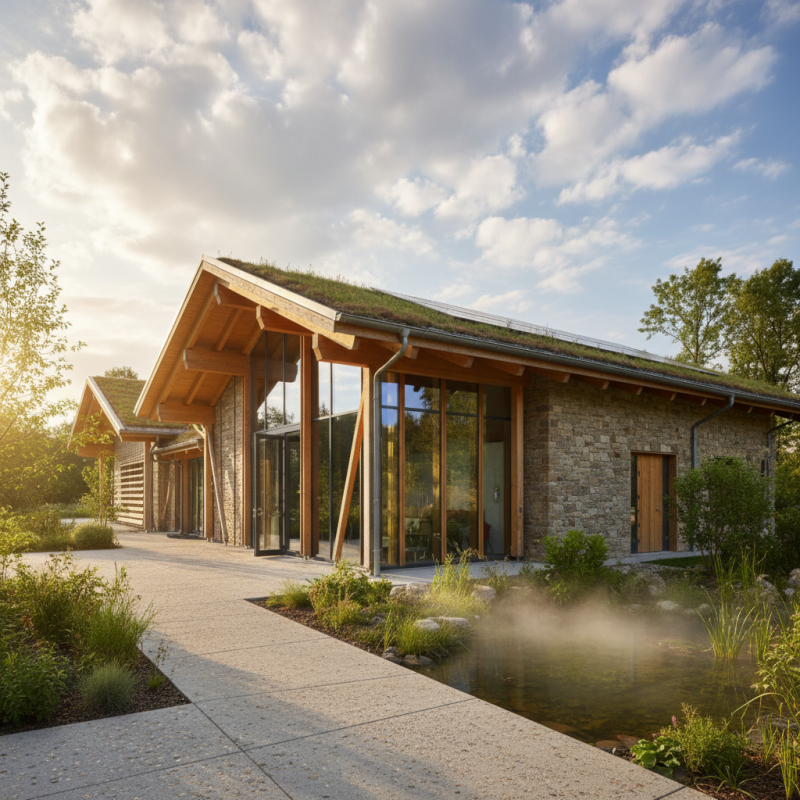
When selecting durable building materials, it’s essential to understand their long-term significance. Durable materials resist wear and stand the test of time. They minimize the need for frequent repairs and replacements. This means lower costs over the building's lifespan. A well-constructed home can last for generations. Using reliable materials is a responsible choice for homeowners and builders alike.
However, durability isn't the only factor. Every project has unique conditions. Weather, environment and usage can impact material longevity. It's crucial to consider local climate factors. For instance, materials that perform well in humid areas may not do so in arid regions. This awareness can prevent costly mistakes.
Researching and consulting with experts is vital. It helps in understanding the nuances of each material type. Recommendations from professionals can guide choices. Though, it’s also important to question these recommendations. Analyze the rationale behind them. Not all advice is applicable to every situation. With careful thought, the right durable materials lead to a successful building project.
When choosing materials for construction, durability is key. Evaluating their properties ensures a long-lasting structure. Look for materials that withstand various environmental factors. For example, concrete performs well in moisture-prone areas. Its density contributes to its strength and longevity.
Consider the tensile strength of metals for structural integrity. Steel is often preferred for its resistance to bending and warping. However, improper installation can lead to issues. It's vital to consult with experts who understand these materials. Regular maintenance can also extend their lifespan.
Wood remains popular for its aesthetic appeal. Yet, not all wood is created equal. Some types can warp or decay faster than others. Researching the source can provide insight into its quality. Understanding these nuances helps in selecting the best materials for your project. Remember, durability goes beyond initial cost; it’s about long-term value and performance.
When it comes to choosing durable building materials, the decision often boils down to cost versus quality. Many builders face a dilemma. A report from the National Association of Home Builders indicates that 48% of contractors cite cost as the most significant factor influencing material selection. While lower-priced materials can save money upfront, they may lead to higher maintenance and replacement costs later.
Quality is essential for long-term durability. Research from the International Journal of Construction Management reveals that high-quality materials can lead to a 20% reduction in lifetime costs. For instance, investing in superior insulation can substantially lower energy bills. The initial expense may be higher, but the savings accumulate over time.
However, not everyone prioritizes quality. Some builders opt for cheaper alternatives, risking structural integrity and longevity. An alarming statistic shows that 60% of homeowners end up regretting their material choices within five years. Reflecting on real-world examples can help make better decisions. Evaluating the true cost of materials over their lifespan helps weigh their value against initial prices and avoid hasty decisions based solely on budget constraints.
When selecting durable building materials, sustainability is paramount. Choosing materials that have a lower environmental impact is becoming essential. Recycled materials often reduce waste significantly. For instance, using reclaimed wood or recycled steel can help in lowering carbon footprints.
Consider life cycle assessments. These evaluations provide insights into the environmental impact of materials from extraction to disposal. Materials like bamboo grow quickly and require less energy to produce. However, they may not always be locally sourced. This could raise transportation emissions.
It’s also crucial to evaluate local climate. Materials that perform well in one environment might fail in another. For example, certain stones withstand extreme temperatures but may be costly to quarry. Always think about long-term performance. Choosing durable materials is not just about initial costs; it’s about longevity and sustainability. Balancing these considerations is key to making responsible choices.
When selecting durable building materials, a comparative analysis of their properties is crucial. Concrete, for instance, boasts impressive longevity, often lasting over 50 years. According to the International Concrete Sustainability Council, concrete structures can withstand harsh weather and resist pests. However, it can be less eco-friendly compared to alternatives, necessitating more sustainable choices.
Wood remains a popular option for its aesthetic appeal. Treated wood can last 20-30 years. However, factors like moisture and insect damage can reduce its lifespan. The U.S. Forest Service reports that sustainably sourced wood contributes positively to the environment. Still, manufacturers must ensure their products meet sustainability certifications.
Another material to consider is metal, particularly steel. It offers substantial strength and often lasts over 40 years when properly maintained. However, corrosion can be an issue, especially in coastal areas. A report by the American Institute of Steel Construction highlights the importance of protective coatings to enhance durability. Each material has its pros and cons, making careful evaluation vital before making a choice.
: Sustainability minimizes environmental impact and helps reduce waste. Choosing better materials benefits the planet.
Recycled materials, like reclaimed wood, significantly lower carbon footprints and reduce waste during production.
These assessments evaluate the entire life of materials, from extraction to disposal, revealing their environmental impacts.
Bamboo grows quickly and needs less energy to produce. However, it may not be locally available.
Materials must perform well in specific climates. Some may endure harsh conditions but could be expensive to source.
Concrete can last over 50 years with proper maintenance. It’s durable but may not be the most eco-friendly option.
Treated wood lasts around 20-30 years, but moisture and pests can decrease its longevity if not managed.
Steel offers strength and can last over 40 years, but corrosion is a concern, especially in coastal areas.
They must meet specific sustainability certifications to positively impact the environment with wood products.
It’s about balancing initial costs and long-term performance. Responsible choices require careful evaluation.
When considering how to choose durable building materials, it's essential to understand their significance in ensuring the longevity and safety of structures. Evaluating material properties such as strength, weather resistance, and maintenance requirements can greatly enhance the lifespan of buildings. A careful balance between cost and quality is necessary for making informed decisions, ensuring that investments lead to reliable results without compromising on safety.
Sustainability is another critical aspect of selecting durable materials, as environmentally friendly options can lead to a lower carbon footprint. A comparative analysis of various popular durable materials also provides insights into their performance and suitability for different construction needs. By focusing on these key factors, anyone looking to choose durable building materials can make choices that are both practical and responsible.

PEKA Build Materials